Our Mission
The Mayors Migration Council (MMC) empowers and enables cities with access, capacity, knowledge, and connections to engage in migration diplomacy and policymaking at the international, regional, and national level. We work to ensure that global responses to migrant and refugee issues both reflect and address realities on the ground for the benefit of newcomers and the communities that receive them.
What We Do
We believe that cities and their leaders can better serve migrant, refugee, and host communities by working hand-in-hand with national governments and international organizations to design, resource, and implement policies that are responsive to local needs.
To fulfill this vision, we catalyze:
ACCESS: Institutionalize cities’ formal access to national, regional, and international policy deliberations on refugees and migrants.
CAPACITY: Build cities’ diplomatic skills and advocacy capacity so they can effectively shape decisions at the national, regional, and international level.
RESOURCES: Unlock, direct, and redirect resource flows to cities so they can deliver better outcomes on the ground.
ACTION: Help cities implement local solutions concerning migrants and refugees efficiently and at scale to accelerate global commitments.
Climate Migration: Cities at the Forefront
Whether cities are at the origin, transit point, or destination of climate-related movement, mayors have positioned themselves as champions of inclusive and equitable climate action.
Our Leadership Board
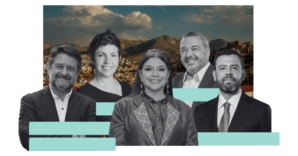
The MMC was created by mayors for mayors. We are guided by a distinguished Leadership Board of city leaders from diverse geographies and migration contexts.
Join Mayors in building an inclusive COVID-19 recovery for all
Leaving no one behind in global pandemic response and recovery.
Our Partners
Since its inception, the MMC has a strategic partnership with C40 Cities Leadership Group (C40), the global network of mayors committed to urgent action on climate change. C40 connects more than 96 of the world’s greatest cities, representing 700 million people and one quarter of the global economy. With the Mayors Migration Council, it seeks to tackle the intertwined challenges and opportunities of migration and climate change in cities.
The MMC works closely with established and recognized city networks, most notably United Cities and Local Governments (UCLG) and The International Organization for Migration (IOM). Since 2018, the three organizations are co-leading the Mayors Mechanism, an initiative to help local and regional authorities participate in and inform the state-led Global Forum on Migration and Development.
The MMC is financially supported by the Open Society Foundations, the Robert Bosch Stiftung, and the Swiss Agency for Development and Cooperation and is managed as a sponsored project by Rockefeller Philanthropy Advisors, an independent 501(c)(3) nonprofit organization that provides governance and operational infrastructure.
The Marrakech Mayors Declaration
With the adoption of the Global Compact on Migration and Global Compact on Refugees in December 2018, 150 city leaders endorsed the Marrakesh Declaration calling for the full and formal recognition of the role of local authorities in the implementation, follow-up, and review of both Compacts.
Get Involved
AS PARTNER CITIES
The MMC is a resource open to all cities everywhere. The MMC encourages cities to reach out with ideas or questions, whether to learn how to engage with the international system or to access knowledge, expertise and tools. The MMC team will focus on outreach to Global South and secondary cities as well, which are largely underrepresented in international migration policy efforts. Interested mayors or senior city staff should correspond with contact@mayorsmigrationcouncil.org.
AS LEADERSHIP BOARD MAYORS
Leadership Board Mayors provide strategic guidance to the MMC. Mayors are nominated to the Leadership Board to serve 3-year terms. When a seat on the Leadership Board is vacated, cities’ leadership can contact the MMC to nominate mayors who will then be selected by the existing Leadership Board and supporting partners, with consideration made to preserving the diversity in cities and migration contexts represented on the Board.